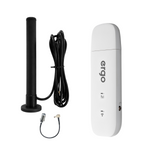
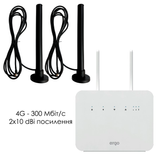
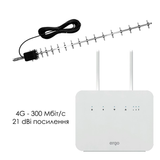
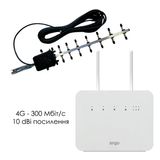
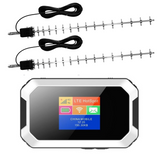
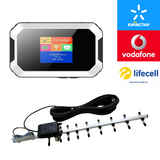
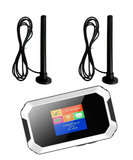
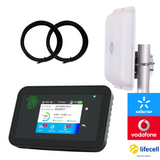
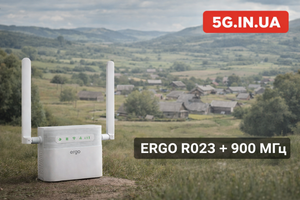
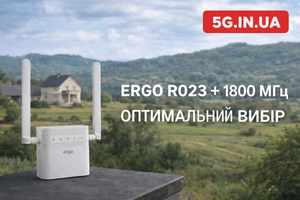
When power goes out, it's not due to “technical accidents,” but because of direct Russian strikes on infrastructure — guided bombs and UAVs. Power crews restore electricity fast — that’s a fact. But mobile communication operates under different rules. Even if a cell site is not destroyed, the operator switches it to low-power survival mode: reduced transmit power, some LTE sectors disabled, limited throughput. Formally, the tower is “on air”, but smartphones with tiny antennas simply drop the session and lose connection. And here's the key point — if you have an external antenna + autonomous power, you stay online, even when the network “exists but doesn’t actually work” for regular users.
Real Case: Sumy City
Regional center. Official reports claim everything is “covered” and “resilient”. In reality:
-
Zero “resilience centers” (points of access). Not even declared.
-
No provider offers XPON with real backup power.
-
National roaming allows only voice/SMS. Mobile internet is practically unavailable.
Result: people are left alone against the situation. Internet only exists for those who prepared.
Why a Router + External Antenna Hold the Link While Phone Users Drop
When a base station goes into economy mode, it reduces RSRP and sector power to extend uptime on batteries. Smartphones don’t have enough link budget and they drop LTE sessions.
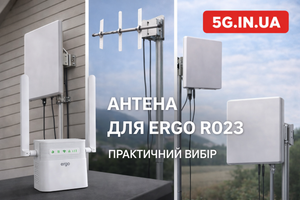
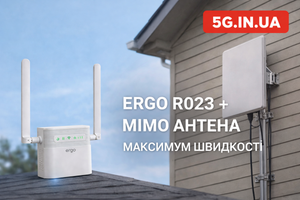
An external MIMO antenna adds several dB of margin, and the router stays connected even when the cell site broadcasts at minimum capacity.
This isn’t magic. It’s simple RF math — if you don’t have signal headroom, you get kicked out of the network like everyone else freezing with a phone next to the window.
What Actually Works: Autonomous LTE Kit
Official schemes don’t help. What works in practice:
-
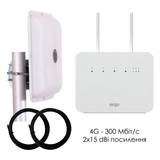
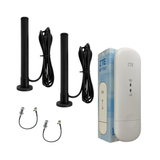
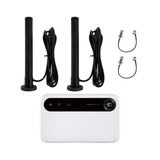
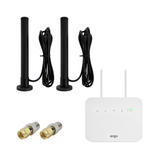
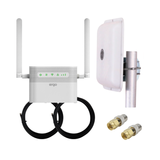
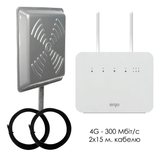
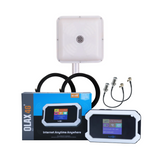
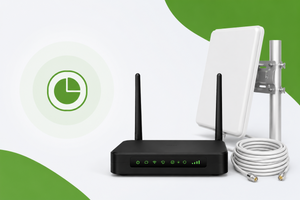
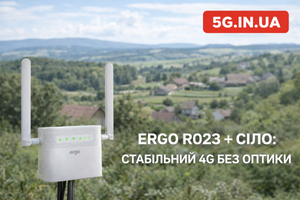
External MIMO antenna 10–24 dBi (panel or directional).
-
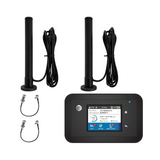
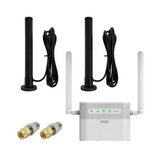
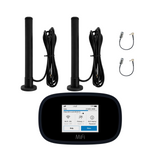
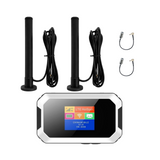
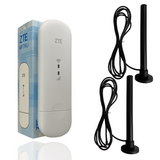
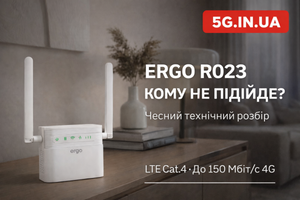
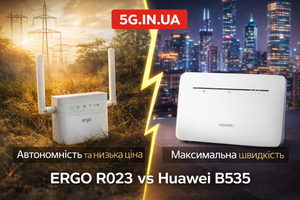
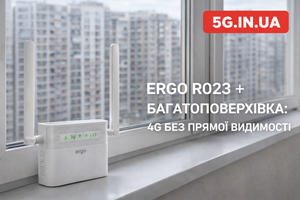
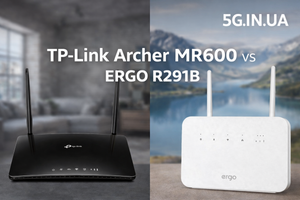
4G router with external antenna ports and 12V / USB-PD input (Olax MT80, Inseego 8000L, Netgear M1, Huawei B535, etc).
-
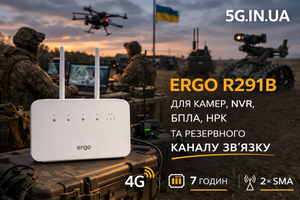
Powerbank with 12V or PD 45–100W output + adapter for the router.
-
Short low-loss coaxial (RG402/405 or LMR195).
This setup can run for 6–20 hours from a powerbank, longer with a car battery or inverter.
Practical Outcome
While others walk around trying to “catch signal” on a phone, an LTE kit with an external antenna locks onto a live but low-power cell.
Telegram still loads. Maps open. Messages go out.
Not “fast internet” — stable internet that doesn’t vanish.