Where will the MAX PRO LTE900 internet kit work?
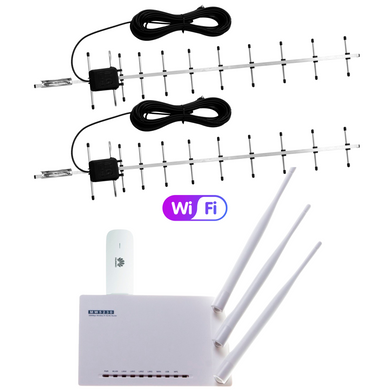
This kit allows you to get stable and high-speed 4G LTE Internet anywhere, even in remote areas. Thanks to MIMO antennas that amplify the 4G LTE-900 signal of any mobile operator in Ukraine (Vodafone, Lifecell, Kyivstar), you will be able to enjoy a high-quality Internet connection even at a distance of up to 30 km from the base station. MIMO FDD* technology increases Internet speed by 30-40% compared to single antennas.
900 MHz antennas are ideal for remote locations due to their ability to better penetrate obstacles such as walls, trees and other physical barriers. This ensures stable coverage and signal over long distances, which is critical for rural and mountainous areas.
How will it work?
The Internet connection speed reaches 150 Mbit/s in fourth generation networks, which allows you to use high-quality video communication, watch movies and TV series in Full HD quality, and make the most of the Internet. The Wi-Fi router from the Netis company has three external antennas that provide wireless network broadcasting within a radius of up to 100 meters. Up to four devices can be connected to the router via a LAN cable (PC, TVs, set-top boxes).
The kit consists of:
Wi-Fi router Netis MW5230: Configures automatically in 30 seconds. Distributes Wi-Fi within a radius of up to 100 meters. It is powered by an outlet using a power supply unit.
4G/3G USB modem Cat.4: Connects to the USB port of the router. Works at a speed of up to 150 Mbps in 4G LTE. Compatible with all telecommunication operators in Ukraine and Europe.
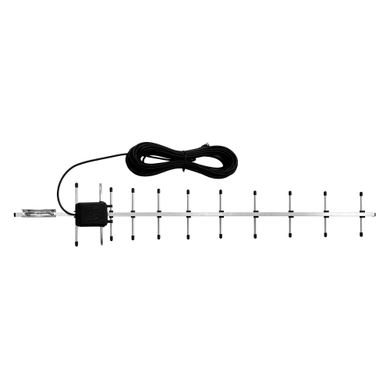
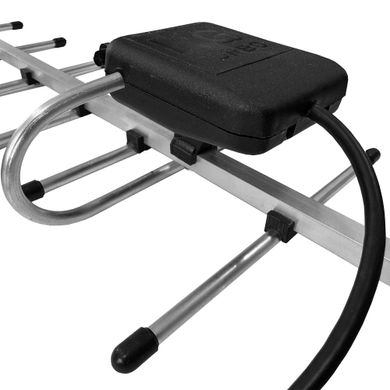
Two Mobile Guard 4G LTE-900 antennas: Specially designed to increase Internet speed and signal strength. They are installed above the roof, providing optimal signal reception even in remote places.
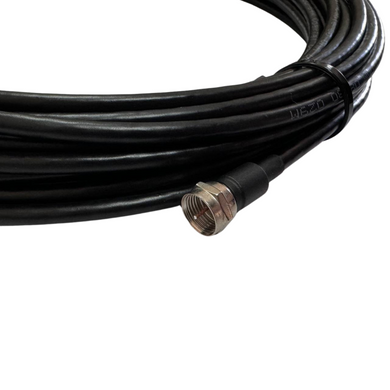
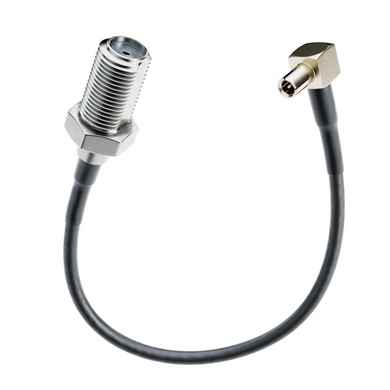
Two 50-meter Mobile Guard RG-58 50-ohm coaxial cables: Already connected to the antennas. Each cable has an F-connector on one end to connect to the F-antenna adapter on the TS9, ensuring minimal signal loss and stable operation.
*Frequency Division Duplex (FDD) - allows you to upload and download data in parallel mode due to segmentation of the range.
Note: The modem and/or router in the package can be changed to a similar one in terms of its technical characteristics.
Installation instructions:
Choosing a place to install: Choose a place on the roof or a high point where the antennas will have the best view of the nearest base station of the operator. This place should be as high as possible and not shaded by other buildings or trees.
Installation of antennas:
Both antennas should be installed on the same pipe or mast. This ensures that MIMO technology works properly, as both antennas must point in the same direction to receive a signal from the same base station.
Secure the pipe or mast in place with the included fasteners.
Mount the antennas on top of the pipe or mast and fasten them securely.
Direction of antennas:
Turn the antennas in the direction of the nearest base station of your mobile operator. Use special apps or operator coverage maps to determine the exact direction.
Adjust the antennas so that you get the maximum signal level that can be checked in the router's web interface.
Connecting cables:
Connect the Mobile Guard RG-58 coaxial cables to the antennas. Connect the other ends of the F-connector cables to the F-antenna adapters on the TS9.
Connect the antenna adapters to the modem.
Connecting the modem and router:
Insert the 4G/3G USB Cat.4 modem into the USB port of the Netis MW5230 Wi-Fi router.
Plug in the router and configure it according to the instructions. Automatic setup will take up to 30 seconds.
Connection test:
After installing the antennas and configuring the router, check the speed of the Internet connection and the stability of the signal in the web interface of the router. If necessary, adjust the position of the antennas for optimal results.
Advantages of using 900 MHz antennas:
900 MHz antennas are ideal for remote locations due to their ability to better penetrate obstacles such as walls, trees and other physical barriers. This provides stable coverage and signal over long distances, which is critical for rural and mountainous areas where other frequencies may be less effective. Thanks to this, you will be able to enjoy a reliable Internet connection even in the most remote corners.