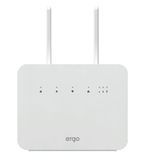
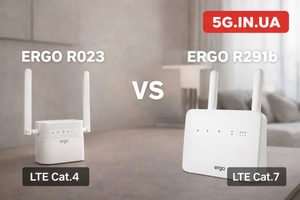
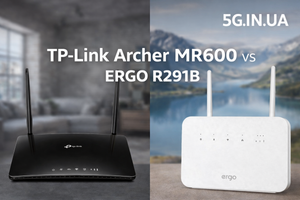
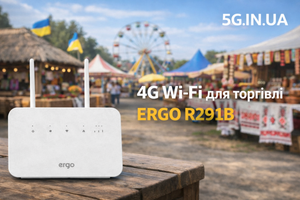
ERGO R291b — a 4G router with a built-in battery that people choose not for the brand, but for how it behaves in real life
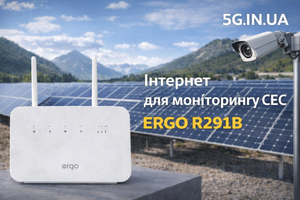
There is hardware people choose by looks. There is hardware chosen by spec sheets and numbers. And then there is hardware people buy after the first serious power outage. ERGO R291b belongs to that third category. It is a 4G Wi-Fi router with a built-in battery that became popular not because of advertising, but because of real-world necessity.
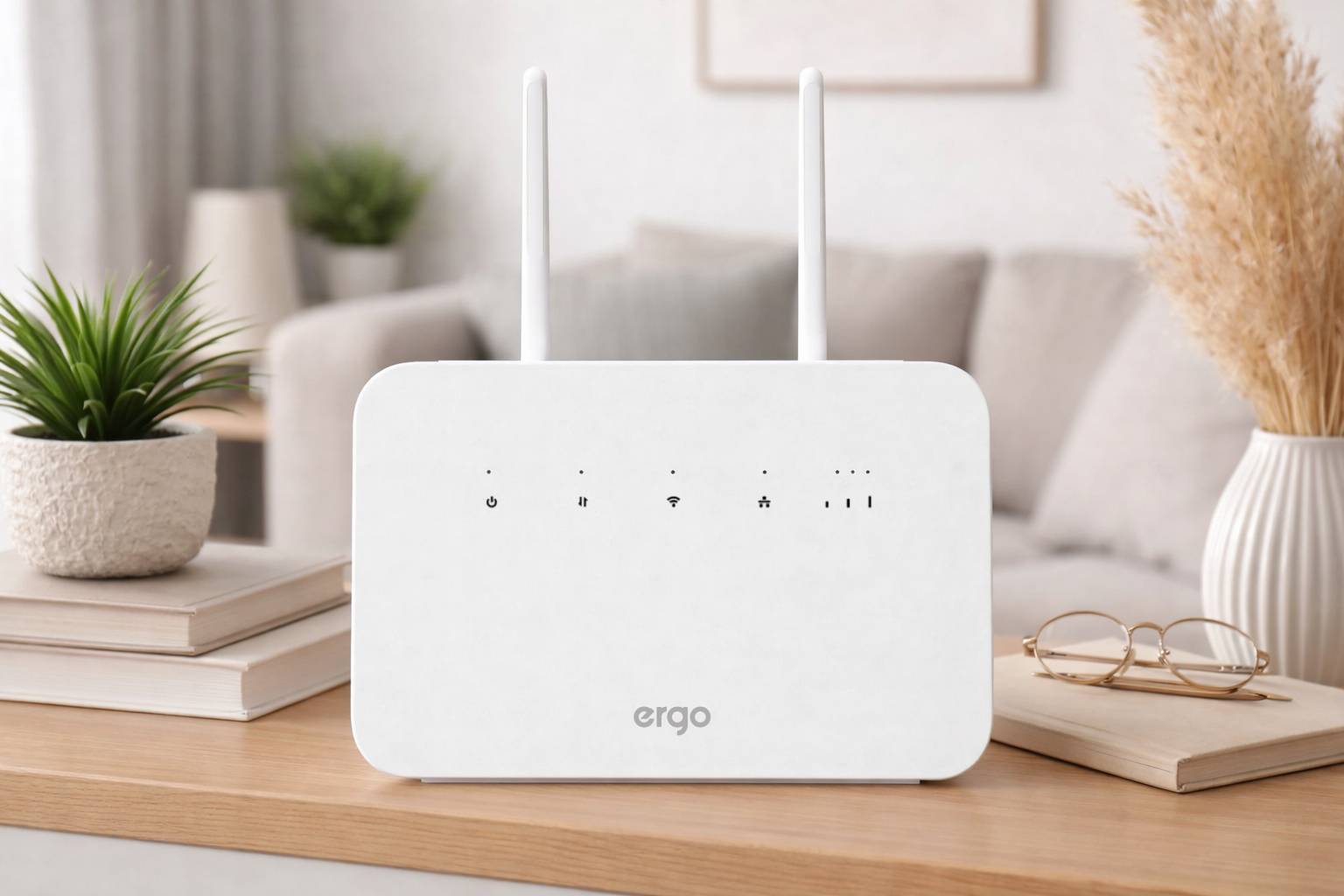
In recent years, the very idea of “home internet” in Ukraine has changed dramatically. What used to mean a cable and a router plugged into a wall socket is now increasingly defined by a different question: will the internet keep working when the power goes out? At that point, most traditional solutions simply disappear from the equation. This is where 4G LTE routers with autonomous power, such as the ERGO R291b, move to the foreground.
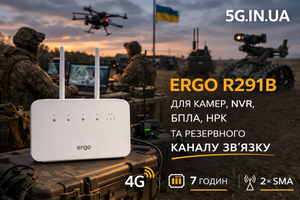
This router is not marketed as a universal solution for everyone. But it clearly solves a specific problem: providing stable mobile internet over 4G even when there is no electricity. The built-in battery allows it to keep running independently, while LTE Cat.7 support means that, where the network allows, it can use carrier aggregation and deliver higher real-world speeds than basic LTE devices. This is not marketing language, but a straightforward consequence of how mobile networks work.
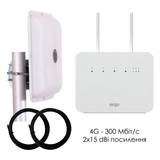
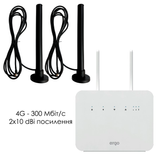
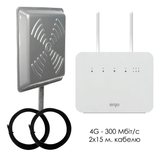
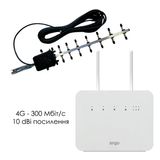
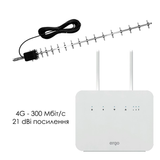
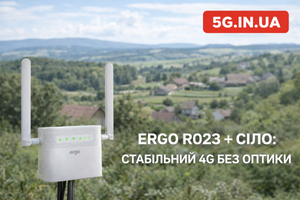
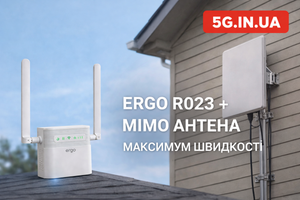
A major factor behind the popularity of the ERGO R291b is that it does not limit the user. The presence of two full-size SMA connectors for external 4G antennas turns it from a simple “mobile router” into a core element of a stationary internet setup. In private houses, suburbs, rural areas, or on the outskirts of cities, the ability to connect an external antenna often determines whether the internet is merely present or actually usable for work, video calls, and online learning.
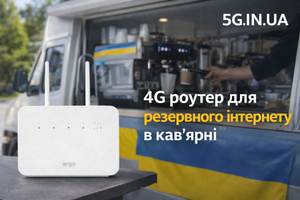
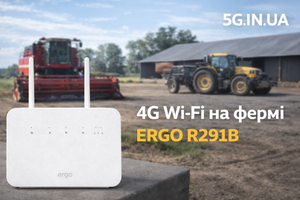
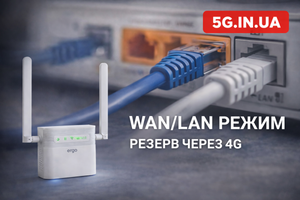
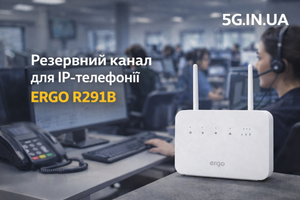
Over time, this router has come to be seen not as a standalone gadget, but as a foundation for multiple use cases. For some users, it serves as the main 4G Wi-Fi router at home. For others, it works as a backup internet channel in an office. For some, it is a solution for locations with unstable or nonexistent grid power. Support for 12-volt power makes it compatible with UPS systems, vehicle power setups, or power banks via DC converters, further expanding its real-world applications.
It is also telling that the ERGO R291b is often chosen by people who have already used more expensive or more “well-known” brands. The reason is not peak speed numbers or industrial design. It is behavior. When power outages happen several times a day and connectivity is critical, brand names matter far less than predictability and reliability. This is exactly how this router has gradually built its reputation.
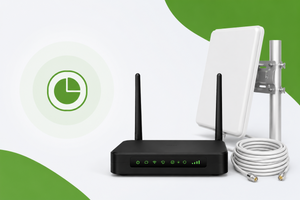
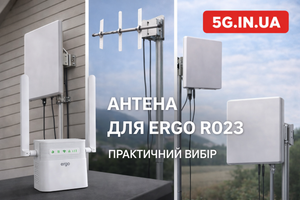
At the same time, it is important to understand its limitations. The ERGO R291b is a 4G LTE router, not a magical signal booster. If there is no usable 4G coverage in a given location, it will not create one out of nothing. But where there is at least a minimal signal, a properly selected external antenna paired with this router can dramatically change the quality of the connection. This is why it is so often used as part of complete 4G internet kits.
Another reason this device is well perceived by both users and search engines is the absence of exaggeration. It is not described as “the best in the world”, it does not promise the impossible, and it does not hide its constraints. It occupies a very clear niche: a 4G router with a battery, external antenna support, and the ability to operate stably without grid power. That clarity makes it easy to understand for people and for Google and AI-based search systems alike.
In the end, the ERGO R291b is an example of hardware that gained popularity not through loud claims, but through real demand. At a time when internet access has shifted from being a convenience to a basic necessity, the most valuable solutions are those that continue to work in the worst conditions. This is exactly how this 4G LTE router with a built-in battery is perceived — as a tool that simply does its job.